Rainbow Color Striped Marble Backgrounds: A Bold Design Asset
Understanding the Visual Appeal
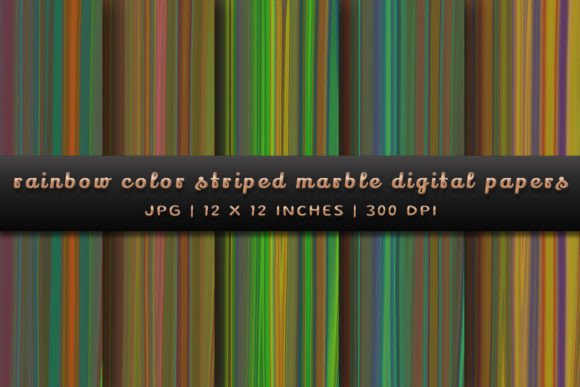
When you combine the chaotic beauty of natural stone with the structured vibrancy of a rainbow, you get something truly unique for your toolkit. The Rainbow Color Striped Marble Backgrounds set is exactly that—a dynamic fusion. Visually, these aren't your standard, subtle grey marble textures. Instead, they feature the intricate, vein-like patterns we expect from marble, but overlaid or infused with broad, sweeping stripes of color. The result is a texture that feels both organic and electric. It retains the sophistication of stone but injects a playful, high-energy personality that demands attention.
This specific style sits at the intersection of natural elegance and modern pop art. The "striped" aspect isn't just a flat overlay; in high-quality digital papers like these, the colors interact with the marble texture, creating a sense of depth. You might see a vibrant magenta stripe bleed into a cool cyan, all while maintaining the subtle, crystalline grain of the marble underneath. For designers, this means you get the best of both worlds: the grounding effect of a natural texture and the excitement of a bold color palette. It’s a style that feels fresh, contemporary, and unapologetic in its energy.
Practical Applications for Creators and Brands
So, where do these Rainbow Color Striped Marble Backgrounds actually fit into your workflow? Their versatility is surprisingly broad, provided you match the texture's energy to the right project. For social media graphics, particularly on platforms like Instagram or TikTok, these backgrounds are instant attention-grabbers. They work exceptionally well for quote cards, sale announcements, or story backgrounds where you need to cut through a busy feed. The high-contrast colors ensure text placed on top remains legible, especially when using bold, sans-serif typefaces.
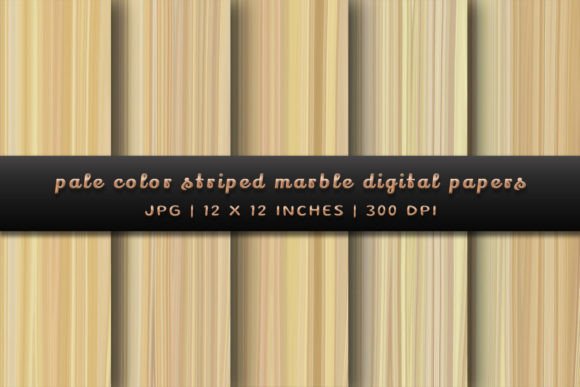
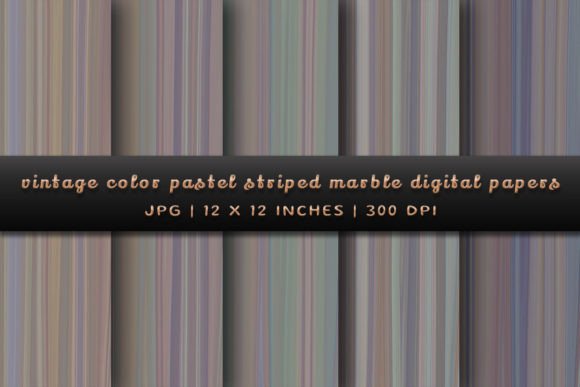
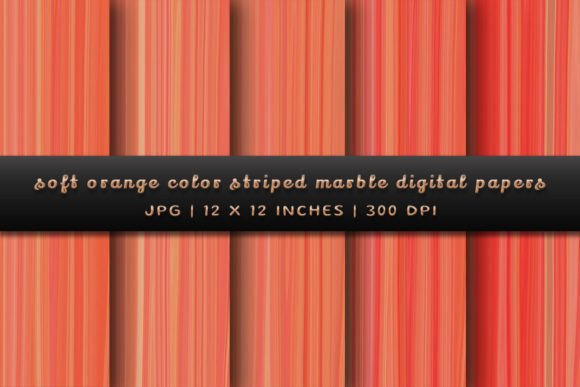
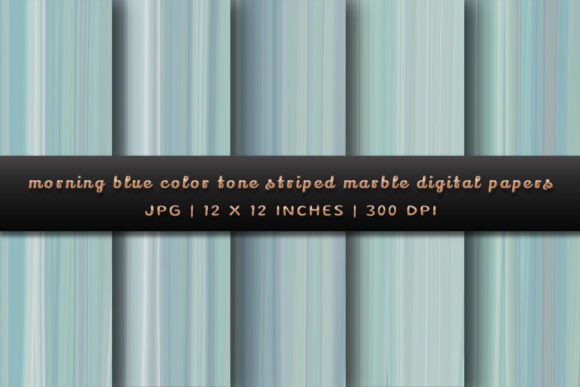
Beyond digital, these textures are a goldmine for sublimation projects. If you run a small business creating custom merchandise—think phone cases, mouse pads, or apparel—the 300 DPI resolution and 12x12 inch dimensions make them print-ready. The vibrant hues translate beautifully onto physical products, offering a modern alternative to standard floral or geometric prints. For packaging design, particularly for products targeting a younger, trend-aware demographic, these backgrounds can serve as a full wrap or as accent panels. Imagine a cosmetics brand or a stationery line using these patterns; it immediately signals creativity and fun.
Even in editorial design or web design, there are niches where this style shines. A newsletter header, a website hero section for a creative agency, or the background of a digital invitation can all benefit from this texture. It adds personality without requiring complex illustration. For brand identity work, these backgrounds are best suited for brands that want to project an image of innovation, inclusivity, and boldness. They are less suited for traditional corporate environments but perfect for startups, lifestyle brands, and creative portfolios looking to break the mold.
Integrating Texture into Your Design Strategy
Using a texture like the Rainbow Color Striped Marble Backgrounds effectively requires a bit of strategic thinking. It’s a loud element, so it needs to be balanced. One of the most common mistakes with vibrant, multi-colored backgrounds is overloading the foreground with competing elements. Instead, let the background do the heavy lifting for the mood and use clean, minimalist foreground elements. White or black text often works best here, creating a stark contrast that anchors the design.
When considering font pairing, this is not the time for delicate script fonts or highly decorative serifs that might get lost in the texture's veins and stripes. Instead, lean toward strong, geometric sans-serif fonts or bold, condensed typefaces. These provide the necessary visual weight to stand up to the background. Think of the background as the "flavor" and the typography as the "structure." You want the structure to be solid so the flavor can be appreciated without overwhelming the viewer.
From a technical standpoint, the included specifications—12x12 inches at 300 DPI—are standard for high-quality print work. This makes them reliable design assets for professional output. However, because these are JPG files compressed into a ZIP, remember to extract them fully before importing into your design software. While JPGs are great for complex textures like marble due to their handling of gradients and color variations, always be mindful of compression artifacts if you plan to stretch them significantly beyond their native size. For most standard applications, though, they will perform beautifully.
Evaluating Fit and Final Thoughts
Before committing to using the Rainbow Color Striped Marble Backgrounds across a suite of materials, test them in context. Place your logo, your key messaging, and your brand colors against the texture. Does the texture enhance your brand's story, or does it distract? For a brand built on minimalism and calm, this might be too aggressive. But for a brand built on creativity, diversity, and energy, it could be the perfect visual metaphor.
Ultimately, these digital papers are a tool for expression. They allow you to infuse a sense of playfulness and modernity into projects that might otherwise feel static. Whether you are a crafter looking for a unique scrapbook background, a marketer designing a flash sale graphic, or a publisher creating a standout book cover, the combination of rainbow stripes and marble offers a fresh aesthetic. It’s about taking a classic, luxurious material and reinterpreting it through a lens of joy and color. By using them thoughtfully and pairing them with strong typography, you can create designs that are not only visually striking but also memorable and effective.