Unraveling the Charm of Thread Spool Color Drawing
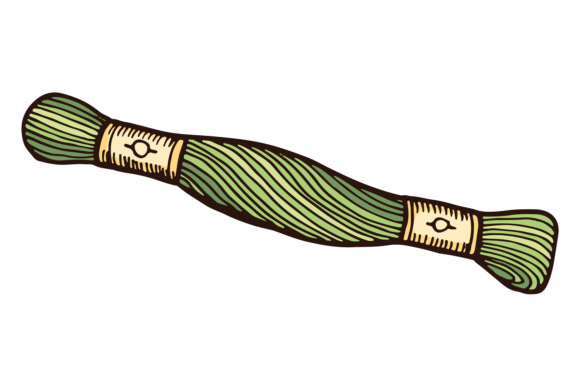
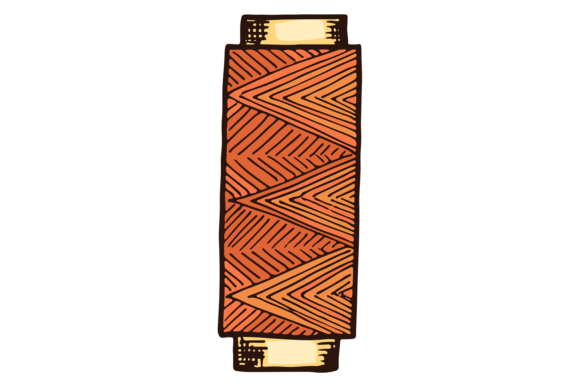
There’s an immediate warmth and tactile quality that Thread Spool Color Drawing brings to a project. It isn’t just a collection of letters; it’s a visual whisper of craft, heritage, and the satisfying rhythm of making something by hand. This typeface, often associated with its companion graphic of a Sewing String symbol, captures the essence of a spool of thread—colorful, versatile, and fundamental to creation. Its personality is approachable and nostalgic, yet clean enough to feel contemporary. You’ll notice subtle details that mimic the slight unevenness of hand-drawn ink or the gentle curve of thread under tension, giving it a character that rigid, geometric fonts lack.
The visual style of a font like Thread Spool Color Drawing typically leans into a friendly, illustrative aesthetic. It might feature soft terminals, modest contrast, and a rhythm that feels organic rather than mechanical. Isolated on a white background, as seen in its common file formats (EPS, JPG, SVG, transparent PNG), it presents itself as a ready-to-use design asset. This transparency and adaptability make it a favorite for designers who need a font that can blend seamlessly into complex compositions or stand proudly on its own. Its appeal lies in this balance—it’s a creative font with a clear point of view, yet it doesn’t overwhelm the message it carries.
Where This Typeface Truly Comes Alive
Understanding where Thread Spool Color Drawing works best is key to leveraging its charm. Its inherent handmade quality makes it a natural fit for projects aiming to convey authenticity, care, and a personal touch. Think beyond the obvious sewing and crafts niche. This font can be a secret weapon in brand identity for artisanal food brands, boutique coffee roasters, independent bookstores, or any business that values the story behind the product. In logo design, it can instantly communicate a brand’s commitment to craftsmanship and detail, setting it apart from competitors using sterile, corporate typefaces.
For editorial design, particularly in magazines or blogs focused on lifestyle, home, DIY, or fashion, this font can add personality to headlines, pull quotes, or section headers. It brings a human element to the page, making the content feel more relatable. In packaging design, it’s incredibly effective. Imagine it on the label of a homemade jam, a scented candle, or a hand-poured soap—it tells the customer that care and intention went into the product inside. The Sewing String motif can be used as a complementary graphic element, creating a cohesive visual language across the brand’s touchpoints.
Digital applications are equally strong. For web design, it can be used for hero text, navigation elements, or call-to-action buttons on sites for crafters, indie makers, or creative studios. Its clarity at various sizes ensures it remains functional while adding flair. On social media graphics, it’s a standout. A quote about creativity, a tutorial title, or a product feature announcement rendered in this font will feel more engaging and textured than a standard sans serif. It’s a premium font choice that can elevate a social feed from generic to memorable.
The Practical Guide to Choosing and Using It
So, how do you decide if Thread Spool Color Drawing is the right display font for your project? Start by evaluating the project’s core message and audience. If your goal is to feel modern, minimal, and ultra-sleek, this font might create a dissonant note. But if you’re aiming for warmth, approachability, and a story-driven feel, it’s a strong candidate. Always test it in context. Create a mockup of your logo, a sample social media post, or a test web banner. See how it interacts with your color palette, imagery, and other design elements.
A crucial step is exploring font pairing. A font with this much personality needs a partner that complements without competing. It often pairs beautifully with a clean, simple sans serif font for body text, creating a clear visual hierarchy. The contrast between the expressive display font and the neutral workhorse text font ensures readability while letting the Thread Spool Color Drawing headlines shine. You could also explore pairing it with a simple serif font for a slightly more classic, editorial feel. Avoid pairing it with another highly decorative or script font, as the result can look chaotic and difficult to read.
When you acquire the font file, review what’s included. A well-designed commercial font package will often include multiple styles—perhaps a regular, bold, and italic version. Check the character set for essential punctuation, numbers, and any special glyphs or alternates that might add extra flair. For a font themed around sewing, you might find charming alternates for certain letters that incorporate subtle thread-like details. Always, always check the licensing. Ensure the license covers your intended use, whether it’s for a single client project, multiple commercial products, or digital downloads. Using a font outside its license can lead to legal complications down the road.
Readability is paramount, especially for body copy. Use Thread Spool Color Drawing primarily for shorter text elements—headlines, titles, logos, and short phrases. Its detailed nature can cause eye strain in long paragraphs. For longer blocks of text, rely on your chosen complementary sans serif or serif font. Pay attention to letter spacing and line height when setting headlines; sometimes, a slight increase in tracking can enhance its legibility and airy feel. Finally, consider the medium. A font that looks perfect on a printed brochure might need adjustments for a mobile screen. Test it across different formats to ensure consistency and impact in your final deliverables.
In the end, integrating a typeface like Thread Spool Color Drawing is about making a deliberate choice. It’s a design asset that does more than convey words; it sets a mood, tells a story, and builds a connection with the viewer. Used thoughtfully, it can transform a standard piece of marketing into a memorable brand experience, weaving a thread of authenticity and creativity through every touchpoint.